
Maritime Security Drone Pilot
Increased Situational Awareness
Lorem ipsum dolor sit amet, consectetur adipiscing elit.
Improved Threat Detection
Lorem ipsum dolor sit amet, consectetur adipiscing elit.
Enhanced Response Strategies
Lorem ipsum dolor sit amet, consectetur adipiscing elit.
MSDP Course
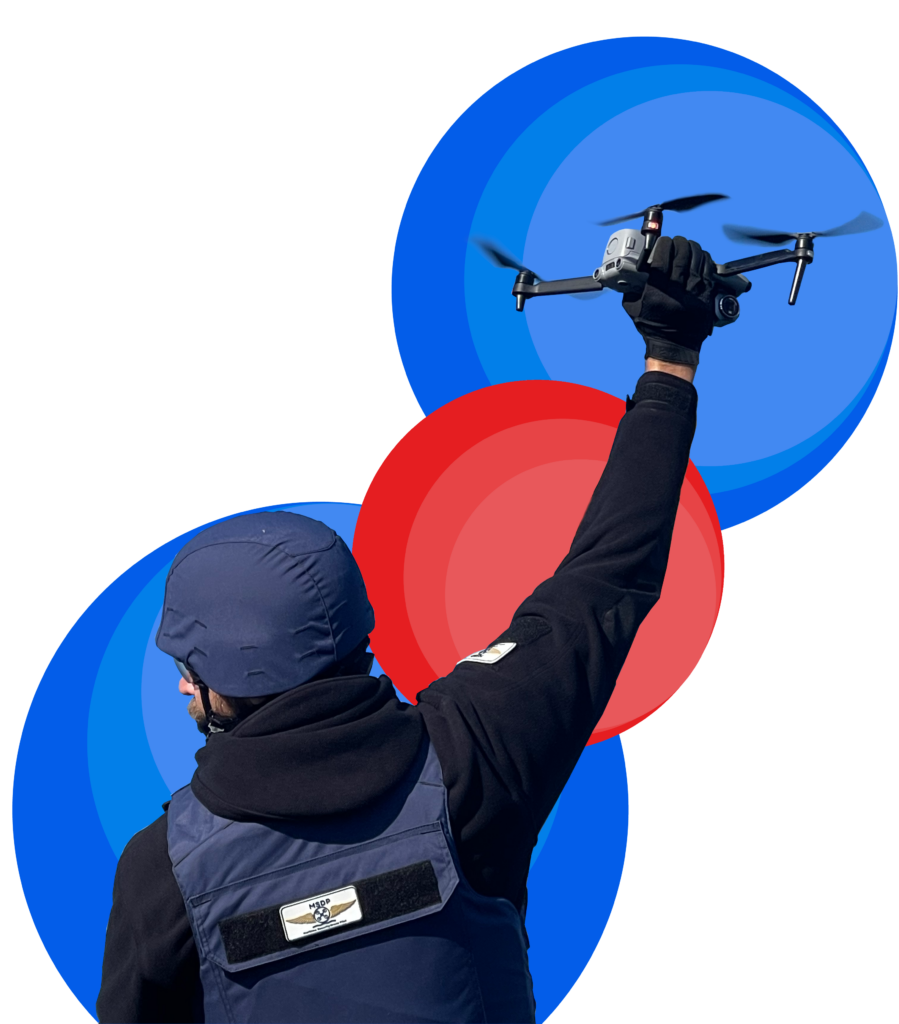
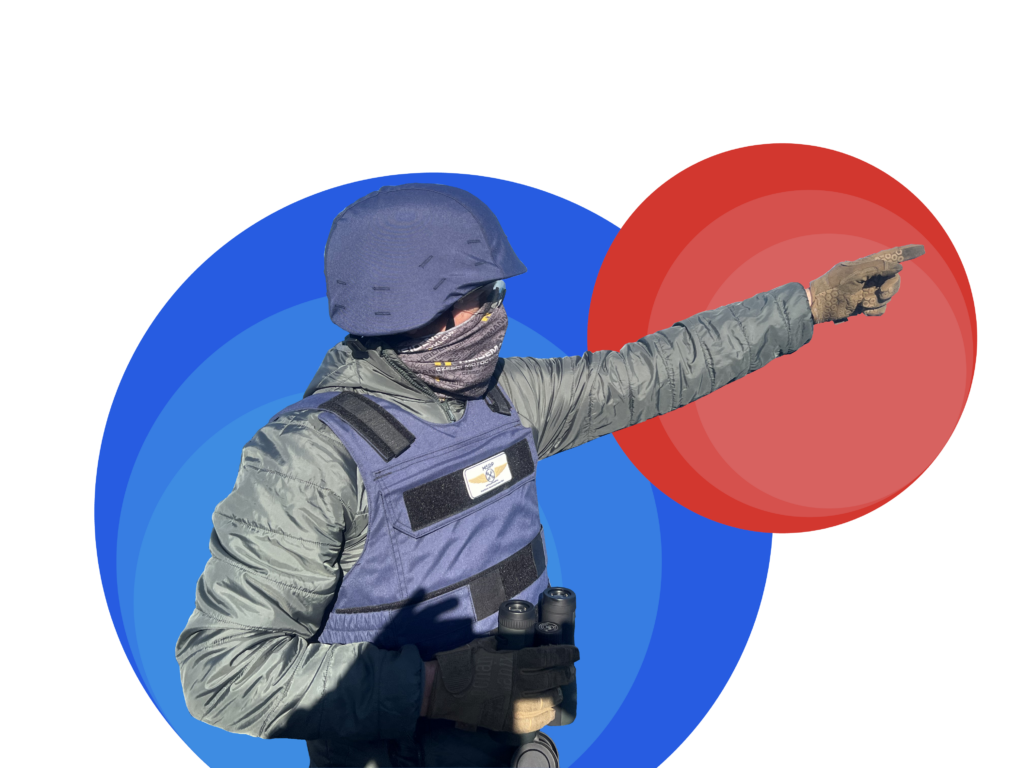
The MSDP mission is to conduct surveillance over maritime zones, to detect and identify potential threats such as suspicious vessels or activity and provide live video feeds and sensor data to the armed security team, enabling the security team to plan tactical responses, engage threats effectively, and protect maritime assets with greater precision and safety.
What threats we want to eliminate
Conventional surveillance methods, like radar and visual observation, often fall short in range and detail, hindering timely threat identification and effective response.
The pace of modern threats demands swift identification and response, but the limitations of current onboard Armed Security Teams can impede this. Additionally, these constraints restrict or delay the crew’s ability to reach safe areas before threats, such as an Unmanned Surface Vessel, pose a risk.
Environmental factors such as weather, sea conditions, and time of day can negatively impact visibility and the efficiency of surveillance operations.
Limited personnel and equipment may restrict Armed Security Teams’ ability to effectively monitor large maritime areas.
Currently, a ship’s crew lacks the ability to inspect damage following an impact from an Unmanned Surface Vessel, making accurate and effective assessments impossible.
What threats we want to eliminate
Increased Range and Coverage
Drones outfitted with high-resolution cameras and advanced sensors can cover more expansive areas over greater distances compared to traditional methods. This extended reach enables Armed Security Teams to detect potential threats, such as unauthorized vessels or suspicious activities, long before they approach.
Real-Time Imaging and Data
Drones offer real-time aerial imagery and data, allowing security personnel to rapidly evaluate situations. This capability facilitates informed decision-making and swift action in response to emerging threats.
Advanced Sensor Technology
Modern drones are equipped with advanced sensors that enhance the detection of potential threats under various conditions. This technology enables the identification of vessels, individuals, or objects that may be invisible to the naked eye, particularly when considering the severity of a potential threat.
Automated Threat Detection
By integrating artificial intelligence, drones can automatically recognize and classify threats. This automation reduces the time needed for threat assessment, allowing Armed Security Teams to focus on response strategies, crew safety, and maintaining the integrity of the vessel.
Real-Time Surveillance and Communication
Drones can be deployed to monitor designated areas, providing continuous updates to the Armed Security Team. This real-time communication keeps security personnel informed of potential threats, enhancing situational awareness.
Seamless Integration with Existing Protocols
Drones can be incorporated into current security procedures on vessels, facilitating smooth information exchange and coordination between Armed Security Teams, Maritime Security Drone Pilots (MSDP), and the Master. This integration boosts operational efficiency and ensures that all team members have access to the same critical intelligence.
Quick Deployment and Versatility
Drones can be swiftly deployed to address emerging threats, enabling Armed Security Teams to evaluate situations from a distance without requiring extensive personnel movement. This rapid response is crucial in high-pressure scenarios where time is of the essence.
Industry Partners
What Our Students Have to Say